
Conversational AI Assistant: Redefining Customer Experience at Scale
Our client is a US-based logistics company that handles a large volume of shipments and manages customer interactions across several different channels. As their operations grew, it became clear that their existing support setup wasn't keeping pace. Customers had questions, lots of them; and the team needed a smarter way to handle that demand without sacrificing the quality or speed of service they'd built their reputation on. That's when they came to us to help build a conversational AI assistant.
-
Industry
Logistics and Freight Forwarding -
Country
USA
Technologies
 Python
 FastAPI
 MongoDB
Business Goals
The client wanted to bring their customer support into the modern era. More specifically, they were looking for a solution that would:
- Give customers immediate, accurate answers without the wait
- Take some of the pressure off their support staff
- Be available around the clock, not just during business hours
- Grow alongside their business without driving up operational costs
Business Challenges

High Volume of Repetitive Queries
A huge portion of the support team's day was eaten up by the same questions over and over — shipment tracking, delivery updates, order status. It was manageable at first, but as volumes grew, it became unsustainable.

Delayed Response Times
Peak hours were particularly painful. Wait times stretched, resolution slowed down, and customers noticed. It created a frustrating experience at exactly the moments when people needed quick answers.

Increased Operational Load
Managing that many interactions manually wasn't just slow — it was expensive. The workload kept climbing, and so did the cost of keeping up with it.

A System That Couldn't Scale
The underlying support infrastructure simply wasn't built for the volume the company was now dealing with. Adding more people was one option, but it wasn't a sustainable long-term answer.
Technical Solution
-
Building the Assistant from the Ground Up
Our development team designed and built a conversational assistant tailored specifically to the client's workflows — focused on automating the interactions that were consuming the most time and resources.
-
Making It Actually Understand People
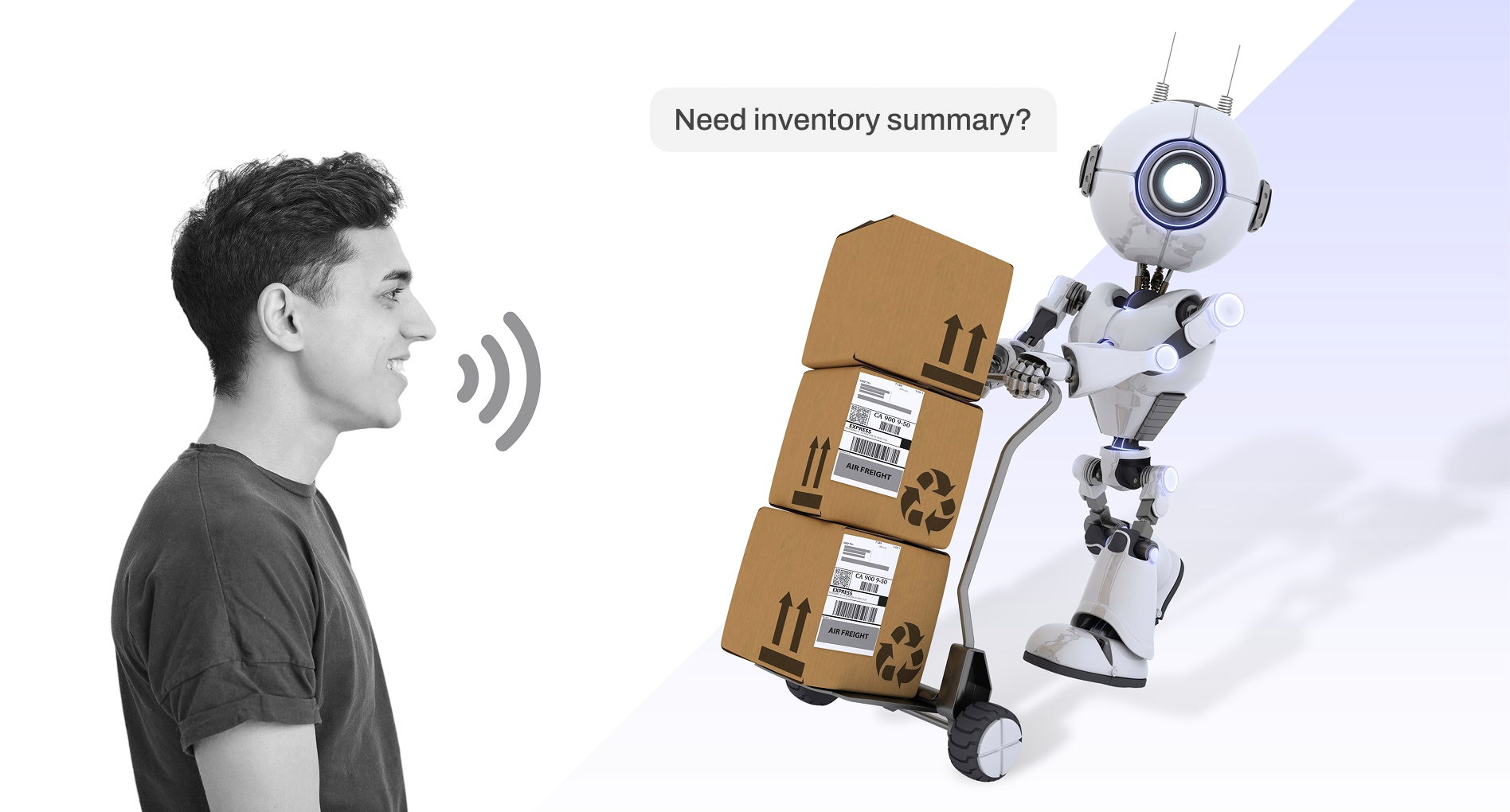
We incorporated Machine Learning and Natural Language Processing so the assistant could do more than just pattern-match keywords. It understands what customers are actually asking and responds with answers that make sense in context.
-
Plugging Into Their Existing Systems
We connected the assistant directly to the client's logistics infrastructure via FastAPI, so when a customer asks about a shipment, they're getting live data — not a canned response.
-
Built to Handle the Load
On the backend, we used Python paired with MongoDB to ensure the system could manage high conversation volumes without breaking a sweat. It was built to scale from day one.
Project Demo
Key Features

Intelligent Query Handling

Real-Time Shipment Tracking

Context-Aware Conversations

Multilingual support

Multi-Channel Support

Personalized User Responses

Voice & Text Interaction support

Intent Recognition & Classification
Results
-
01.
Achieved 90%+ Response Accuracy
Response times dropped significantly. Instead of waiting in a queue, customers got the information they needed almost instantly and the overall support experience improved noticeably as a result.
-
02.
The Support Team Got Breathing Room
With routine queries handled automatically, the team could redirect their energy toward more complex issues that genuinely needed a human touch.
-
03.
Enhanced Service Consistency
Customers benefited from accurate and consistent responses across interactions. This ensured a more reliable support experience and strengthened overall service quality.
-
04.
Reduced Support Costs by 30–40%
By automating repetitive tasks and optimizing team efficiency, businesses were able to significantly cut operational costs while maintaining high service quality.
Let’s get in touch!
India
SPEC House, Parth Complex, Near Swastik Cross Roads, Navarangpura, Ahmedabad 380009, INDIA.
-
 +91-79-26404031, 32-33-34
 -
 [email protected]