| Requirement Area | Questions to Answer |
|---|---|
| Platform | Do you need iOS, Android, or both? |
| Features | What are your core and secondary features? |
| Target Audience | Who will use this app and how? |
| Budget Range | What is your total development budget? |
| Timeline | When do you need the app to launch? |
| Integration Needs | Does it connect to APIs, CRMs, or third-party tools? |
| Compliance/Security Needs | Do you need HIPAA, GDPR, or other compliance? |


Loading...
How to Hire Mobile App Developers: Complete Guide for Businesses!
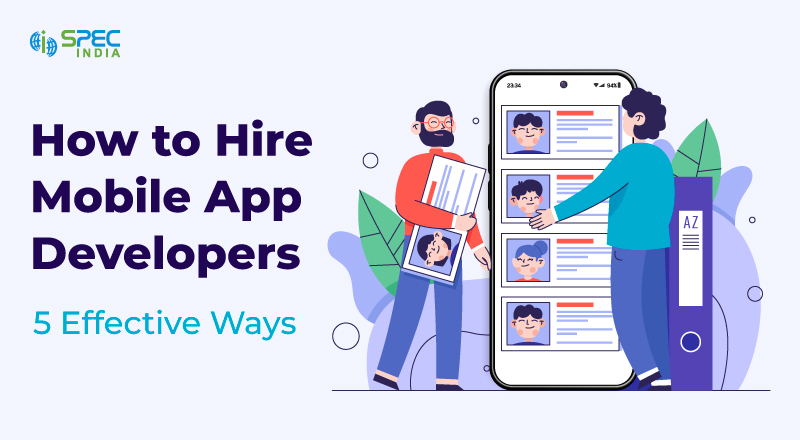
Most businesses understand they need a mobile application, but only a few know how to find the right team to create it. That little detail results in mistakes: overbudget budgets, late projects, and untrustworthy products. A successful launch versus a costly re-start is fully understood when you know how to hire mobile app developers correctly.
In 2024, the worldwide mobile app development market was valued at $269.49 billion, according to Strait Research. It is estimated to reach $753.34 billion by 2033 at a 12.1% CAGR. There is a strong demand for mobile applications in all industries. Connecting with an appropriate programmer is crucial.
This guide shows you everything, step by step: defining requirements, assessing skills, and selecting the appropriate model. From building a startup app to creating an enterprise platform, this guide has got your back if you wish to hire mobile application developers.
Why Hiring the Right Mobile App Developer Matters
The process of hiring app developers will determine the success of your entire project. The choice of your developer directly influences the quality of your app, its timeline, and success.
The Cost of a Bad Hire
Failure to hire correctly leads to greater damage than businesses could imagine. It hurts everything, and it maroons you. The common problems are:
- Project delays that push your launch back by months
- Poor UX that drives users away before they convert
- Security gaps that expose your data and your customers
- Budget overruns that stretch well beyond your original plan
These problems do not end at launch either. Poorly written code drives up your mobile app maintenance cost significantly over time.
What the Right Developer Brings
Right mobile app programmers do not just write code. They protect your investment from day one. Here is what you gain:
- On-time delivery with clear milestones and communication
- Clean architecture that is easy to maintain and scale
- Scalable code built to grow with your business
- Ongoing support after your app goes live
An app developer with just the right skills will get the project going and minimize the total cost over the long haul; hence, hire mobile app developers accordingly.
Define Your App Requirements Clearly
Don’t just look for good developers; specify your app requirements clearly. Having a clear scope will save you time and money, and ease your search for the right match.
Forget anything other than getting the scope of the project right. Lack of clarity results in mismanagement of expectations and budget overspending. Before you turn to anyone, from a developer or an agency, you need to create your mobile app development wireframe. It provides a strong base for your project. If you have a checklist, make sure that you have clearly named your needs:
Defining these areas upfront makes it far easier to hire mobile apps developer profiles that match your exact project needs.
Types of Mobile App Developers You Can Hire
The best app developers work in different ways. Businesses often compare iOS or Android developers based on target audience, device usage, and platform goals. By knowing each type, you can get a better head start in making a smarter hire decision.
-
iOS Developers
iOS developers develop apps for Apple’s iOS devices using the programming languages of Swift and Objective-C. They are preferable for audiences who mostly use just an iPhone or an iPad. If you are looking for deeper integration with Apple’s ecosystem, you need iOS app developers with prior experience on the App Store. They know the inside and outside of Apple’s rules.
-
Android Developers
Kotlin is a language used by Android developers to create apps for Google’s platform, alongside Java. An abundant global mobile app market requires these developers to help drive Android’s device share. If your users are spread across multiple devices and price points, iOS/Android developers with Android experience offer the widest coverage.
-
Cross-Platform Developers
Cross-platform developers write applications using a single codebase, targeting both Android and iOS. They are based on frameworks such as Flutter or React Native. This method will greatly shorten the development period and cut costs. For businesses looking to get to market quickly without adding to their budget, cross-platform app development can be a good fit for MVPs or start-ups.
-
Full-Stack Mobile App Developers
Full-stack mobile app developers work with the front end and back end of your app. They are flexible and perfect for smaller groups or more limited projects. When implemented, they can coordinate the entire development process themselves, reducing coordination time and shortening delivery time.
| Developer Type | Best For | Pros | Cons |
|---|---|---|---|
| iOS Only | Apple-focused apps | Deep platform expertise | Limited to Apple devices |
| Android Only | Wide device reach | Large user base coverage | Fragmentation challenges |
| Cross-Platform | MVPs, budget projects | Faster builds, lower cost | May lack native depth |
| Full-Stack | Small teams, full ownership | End-to-end capability | Jack of all trades risk |
How to Choose the Right Developer Based on Your Project
Every project is different. The hiring model that works for a startup app will not work for a complex enterprise platform. Here is how to choose right.
Project Type vs. Hiring Model
Your app type should drive your decision to hire the best app developers. Consider these factors before you commit:
- Simple apps with fixed scope work well with freelancers or small agencies
- Complex apps with evolving requirements need a dedicated development team
- Apps requiring ongoing updates and support need long-term engagement models
- Cross-platform apps need developers with multi-framework experience
When to Hire a Mobile App Development Company vs. a Freelancer
Freelancers can be more affordable in the beginning, but carry a higher risk. Hire a mobile app development company to help structure things, bring accountability, and have the whole team under one roof. Consider these points:
- Freelancers suit short, well-defined projects with limited scope
- Companies suit projects needing design, development, and QA together
- For enterprise-grade apps, a company reduces delivery risk significantly
- When you hire dedicated mobile developer teams, you get focused output without the overhead of managing individuals
| App Type | Recommended Model | Why |
|---|---|---|
| MVP/Startup App | Freelancer or Small Agency | Fast, cost-effective, flexible scope |
| Enterprise App | Development Company | Structured delivery, security, and scalability |
| Gaming App | Specialized Studio or Agency | Needs graphics, physics, and QA expertise |
| Social Networking App | Dedicated Team | Ongoing features and scaling demands |
| eCommerce App | Development Company | Integrations, security, and performance needs |
Key Skills to Look for in Top Mobile App Developers
Technical skills are key to building an app; however, the success of any project depends on soft skills.
Technical Skills
Do not just verify what languages a developer knows. Evaluate how well they apply them. Look for:
- Strong programming skills in Swift, Kotlin, React Native, and Flutter
- Excellent API integration experience across third-party and custom solutions
- Quality assurance and testing practices are built into their workflow
- Version control discipline using project management tools like Git
Soft Skills
Technical skills alone are not enough. The right developer also brings:
- Proactive and effective communication during the mobile app development process
- Structured problem-solving when project requirements change, or bugs arise
- Understand agile development processes and delivery iterations
- Skills to work effectively as part of a multidisciplinary team
| Skill Area | What to Look For | Red Flags |
|---|---|---|
| Programming Languages | Hands-on experience with relevant stacks | Claims expertise with no portfolio proof |
| API Integration | Experience with REST, GraphQL, and third-party APIs | No examples of live integrations |
| Quality Assurance | Testing is built into development, not added later | No mention of testing at all |
| Communication | Dedicated Team | Ongoing features and scaling demands |
| eCommerce App | Proactive updates, clear documentation | Vague answers, delayed responses |
| Agile Methodology | Familiarity with sprints, standups, retrospectives | Waterfall-only experience for dynamic projects |
5-Step Developer Evaluation Framework
Interviews alone will not tell you enough. Apply this structure to assess ALL candidates consistently and with confidence.
Step 1: Review Portfolio
Consider their app shipment, not its design. Look at their previous projects for complexity, alternate platforms, and good interface design.
Step 2: Technical Assessment
Give candidates an appropriate coding exercise. It doesn’t have to be lengthy. A simple, brief test can give an idea of their mental processes, code logic, and capacity to cope with the unusual.
Step 3: Check References
Talk directly to the past customers or employers. Ask about timelines, interactions, and the developer’s response to problems that arose and didn’t work out as he expected.
Step 4: Trial Task or Paid Test Project
A miniature paid task demonstrates an actual working technique. It also establishes trust between the parties before formally starting a mobile application project.
Step 5: Evaluate Communication and Culture Fit
Skills matter. So it fits. A developer who communicates properly and aligns with your team’s working style will always outperform a brilliant but difficult one.
| Evaluation Step | What to Check | Pass/Fail Signals |
|---|---|---|
| Portfolio Review | Shipped apps, complexity, platform range | Only concept work, no live apps |
| Technical Assessment | Code quality, problem-solving approach | Copied solutions, no explanation of logic |
| Reference Check | Delivery record, communication, reliability | Vague answers or no references available |
| Trial Task | Work quality, deadline adherence, and initiative | Missed deadline or poor code structure |
| Communication and Culture Fit | Clarity, responsiveness, team alignment | Slow replies, unclear answers, poor documentation |
Questions to Ask Before Hiring
Questions that you get right at the beginning will prevent you from encountering slowdowns later on. Work with these lists before signing any agreement.
Questions to Ask Freelance App Developers
- How long do you think it will take you to complete this project?
- What are the ownership rights to the source code and IP Rights after delivery?
- What do you do with bugs and testing in development?
- What if, during the project, you become unable to be there?
- What are the safeguards you take to ensure client information and privacy?
- Any history of mobile projects, reference?
- How to deal with scope changes or new feature requests?
- How are you supporting your products after the launch?
Questions to Ask a Mobile App Development Company
- What time frames do you normally have to work on a project like this?
- What is done regarding IP ownership and code transfer at the project’s end?
- Which testing and quality assurance procedures do you have?
- Who should I send my work to the most during the course of the project?
- How do you ensure data security and client confidentiality?
- What does a post-launch support and mobile app maintenance look like?
- What are your strategies for handling working across time zones?
- Do you have case studies or references of work undertaken?
What You Can Build in Your Budget
The budget dictates all decisions in mobile application development. When hiring mobile app developers, understand how many results you can get for your investment.
More than 6.3 billion people worldwide rely on smartphones. According to the Global App Testing’s 2024 data, 88% of mobile time is spent in apps. The degree of interaction makes the mobile app market more competitive than ever. Your budget must be commensurate with your users’ expectations.
Budget Ranges and Realistic Expectations
Knowing the cost of a mobile app development team in advance can help you prevent scope creep and budget overruns. This table is a good reference to begin with. Assessment of range: based on data from Clutch, MindK, and Chop Dawg for assessment years 2024-2025.
| Budget Range (USD) | App Complexity | Features Possible | Typical Timeline |
|---|---|---|---|
| $10k to $50k | Basic / MVP | Single platform, core features, simple UI | 2 to 4 months |
| $50k to $150k | Moderate | Dual platform, user authentication, API integrations | 4 to 7 months |
| $150k to $300k | Advanced | Custom UI, third-party integrations, and admin panel | 7 to 12 months |
| $300k and above | Enterprise | Full-scale features, high security, scalability | 12 months and above |
When you hire a mobile app development company, these ranges help you shortlist partners who have previously delivered within your budget.
Real Hiring Scenarios
Every hiring decision looks different in practice. Here are three common scenarios to guide your approach.
Startup Building an MVP with a Tight Budget
- Situation: A working prototype was required for presentation to investors at a fintech startup. The funds were less than 50k. The timeline was 3 months.
- Hiring model: They considered an offshore team for cross-platform development to cover both mobile and desktop.
- Results: MVP was launched on time and, within 60 days, secured investor funding.
Enterprise Company Needs a Secure Internal Tool
- Situation: A logistics company was looking for mobile solutions for its field teams. Security and compliance were imperative!
- Hiring model: They contracted a mobile app development company with established project managers on both sides.
- Outcome: The app passed security audits and was deployed across 400 field users on schedule.
eCommerce Brand Expanding into Mobile
- Situation: An eCommerce brand was losing sales to mobile-first competitors.
- Hiring model: They hired a dedicated team to handle design, development, and QA together.
- Outcome: Mobile conversions improved within the first quarter. The app maintained a 4.6 store rating post-launch.
Step-by-Step Hiring Process
By following a structured approach to mobile app development, you can save time and avoid expensive hiring pitfalls. These are 6 steps to take:
- Set clear requirements for your app, platform, budget, and timeline.
- Identify a committed development team/agency.
Go over portfolios and test previous app releases. - Carry out technical evaluations and reference checks.
- Agree on the engagement model, IP rights, and communication.
- Try a trial exercise first before embarking on a full project.
Where to Find App Developers for Hire
Not all sourcing channels are created equal. Take advantage of the following options as appropriate to your project.
- Platforms such as Clutch, Upwork, and Toptal list vetted app developers with verified reviews.
- Mobile app development companies: Established firms offer full teams, structured delivery, and ongoing support.
- Referrals: Peer recommendations from founders or CTOs often surface reliable, proven talent.
Engagement Models Explained
Choosing the right engagement model is as important as choosing the right developer. Here is what each option means.
Fixed Price
Best for projects with a clearly defined scope and timeline. Everything is agreed up front, including cost. Works well for MVPs and short-term builds.
- Locked budget and delivery timeline
- Low risk for clients with fixed requirements
- Limited flexibility for scope changes mid-project
- Ideal for first-time app owners
Time and Material
Best for projects where requirements may evolve. You pay for actual hours worked. Keeps the process transparent and adaptable.
- Flexible scope throughout development
- Billed based on actual time and resources used
- Requires active client involvement and oversight
- Suitable for complex or long-term app projects
Dedicated Team Model
Best for ongoing development needs. You get a full team working exclusively on your project. Popular with businesses scaling their mobile app development services.
- Full team dedicated to your project only
- Easy to scale up or down as needed
- Strong alignment with your business goals
- Preferred model when you hire dedicated mobile developer resources long-term
| Model | Best For | Risk Level | Flexibility | Cost Predictability |
|---|---|---|---|---|
| Fixed Price | Defined scope projects | Low | Low | High |
| Time and Material | Evolving requirements | Medium | High | Medium |
| Dedicated Team | Long-term development | Low | High | Medium |
7 Costly Mistakes to Avoid When Hiring a Mobile App Developer
Avoid these mistakes before you sign any agreement or write a single line of code.
- Skipping due diligence. Not verifying portfolios, references, or past work leads to unpleasant surprises mid-project.
- Hiring on price alone. The cheapest option rarely delivers quality. Low rates often mean hidden costs later.
- No IP agreement. Always clarify code and intellectual property ownership before work begins, not after.
- Unclear scope. Vague requirements cause delays, budget overruns, and constant back-and-forth with your team.
- Ignoring time zones. Large time zone gaps slow communication and delay approvals across your development cycle.
- No QA plan. Skipping quality assurance results in buggy web apps that quickly erode user trust after launch.
- No post-launch plan. Web apps need regular maintenance to stay secure, up to date, and competitive over time.
When you hire app programmers without addressing these areas up front, even a strong project can derail quickly.
Why Businesses Prefer Dedicated Developers Today
Building and maintaining an in-house team is expensive. That is why more businesses are outsourcing app developers instead. According to the Market Growth Report, over 72% of companies that develop mobile apps rely on third-party outsourcing partners for full or partial development. The shift makes practical sense. Here is what dedicated and remote developers bring to the table:
- Flexibility: Scale your team up or down based on project needs
- Cost savings: No overhead costs of full-time in-house hiring
- Speed: Dedicated teams start faster with less onboarding time
- Global talent access: Hire skilled mobile app developers across time zones and geographies
For businesses in the USA, UK, Canada, and Europe, outsourcing gives access to deep mobile expertise without the cost of local hiring.
Why Choose SPEC India for Mobile App Development
When you hire mobile app developers, you need more than just technical skills. You need a team that delivers on time, communicates clearly, and treats your data with the same care you do. SPEC India brings 39 years of software delivery experience to every mobile project. Our in-house AI infrastructure keeps your data secure without relying on any third-party systems.
At SPEC India, we combine an experienced team with a security-first development approach. Every project is built to perform, scale, and last. From the first requirement to post-launch support, we stay accountable at every step.
Frequently Asked Questions
Define your requirements clearly, review developer portfolios meticulously, and conduct thorough interviews to ensure compatibility.
Yes, reputable developers typically offer app deployment services, including publication on the App Store, as part of their comprehensive package.
The time required to create an app varies depending on its complexity and features, with projects typically spanning from a few weeks to several months.
Indeed, entrusting your app development to a professional mobile app development company ensures access to specialized skills, streamlined processes, and a higher likelihood of success in the competitive market.

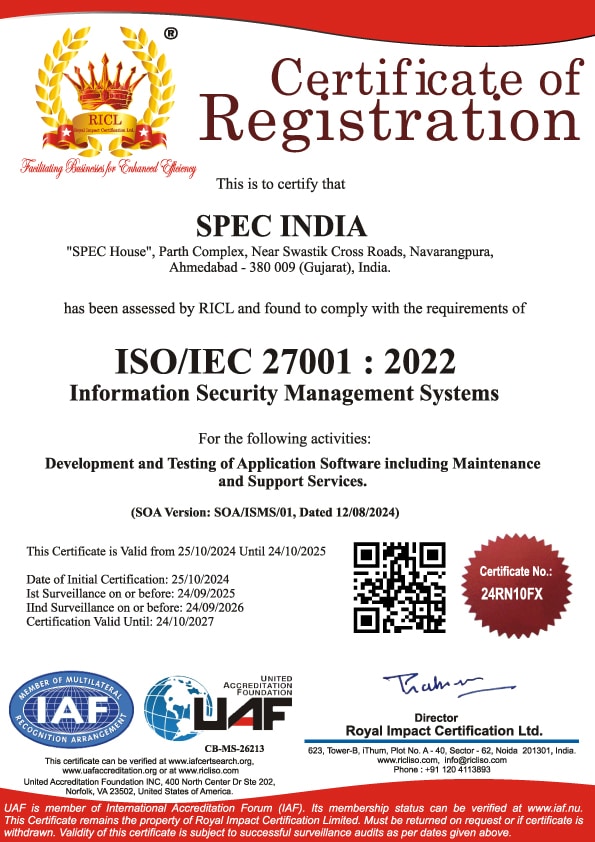
SPEC INDIA is your trusted partner for AI-driven software solutions, with proven expertise in digital transformation and innovative technology services. We deliver secure, reliable, and high-quality IT solutions to clients worldwide. As an ISO/IEC 27001:2022 certified company, we follow the highest standards for data security and quality. Our team applies proven project management methods, flexible engagement models, and modern infrastructure to deliver outstanding results. With skilled professionals and years of experience, we turn ideas into impactful solutions that drive business growth.
Table of contents
- Why Hiring the Right Mobile App Developer Matters
- Define Your App Requirements Clearly
- Types of Mobile App Developers You Can Hire
- How to Choose the Right Developer Based on Your Project
- Key Skills to Look for in Top Mobile App Developers
- 5-Step Developer Evaluation Framework
- Questions to Ask Before Hiring
- What You Can Build in Your Budget
- Real Hiring Scenarios
- Step-by-Step Hiring Process
- Engagement Models Explained
- 7 Costly Mistakes to Avoid When Hiring a Mobile App Developer
- Why Businesses Prefer Dedicated Developers Today
- Why Choose SPEC India for Mobile App Development
Delivering Digital Outcomes To Accelerate Growth
Let’s TalkTable of contents
- Why Hiring the Right Mobile App Developer Matters
- Define Your App Requirements Clearly
- Types of Mobile App Developers You Can Hire
- How to Choose the Right Developer Based on Your Project
- Key Skills to Look for in Top Mobile App Developers
- 5-Step Developer Evaluation Framework
- Questions to Ask Before Hiring
- What You Can Build in Your Budget
- Real Hiring Scenarios
- Step-by-Step Hiring Process
- Engagement Models Explained
- 7 Costly Mistakes to Avoid When Hiring a Mobile App Developer
- Why Businesses Prefer Dedicated Developers Today
- Why Choose SPEC India for Mobile App Development
Delivering Digital Outcomes To Accelerate Growth
Let’s Talk

Let’s get in touch!
India
SPEC House, Parth Complex, Near Swastik Cross Roads, Navarangpura, Ahmedabad 380009, INDIA.
-
 +91-79-26404031, 32-33-34
 -
 [email protected]